
 MBBS ABROAD · Georgia
01OVERVIEW
MBBS in Georgia: What It Is, and What It Is Not
MBBS in Georgia has become an option for Indian students seeking international medical education. Georgian universities offer English-medium Medical Doctor (MD) programmes designed to provide theoretical knowledge, practical skills, and clinical experience. According to Georgia’s Ministry of Education, the undergraduate medical programme spans 6 years and 360 ECTS credits, including clinical training during the final year. Tuition fees vary by university, while the average total budget costs around 30 to 45 lakhs for a 6-year course duration.
Indian students planning to practise medicine in India must meet the applicable National Medical Commission (NMC) requirements. These include being at least 17 years old for NEET-UG admission, meeting the prescribed Class 12 Physics, Chemistry, and Biology eligibility criteria, and qualifying NEET-UG as required for foreign medical education. Before enrolling, students should verify the university’s current authorisation, course structure, clinical training, and compliance with the Foreign Medical Graduate Licentiate Regulations.
Georgia’s international learning environment, English-medium programmes, and university-specific tuition options make it worth comparing with other medical study destinations. Applicants should also account for accommodation, food, insurance, travel, and currency fluctuations when calculating their total six-year budget.
02AT A GLANCE
MBBS in Georgia 2026 at a Glance
| Parameter | Details & Specifications |
|---|---|
| Course Duration | 6 Years, including 1 year of internship |
| Medium of Instruction | English, Russian, & Georgia |
| Annual Tuition Fees | ₹4 lakhs to ₹8 lakhs per year |
| Cost of Living | ₹72,000 per year |
| Academic Intake | September & February |
| Global Recognition | WDOMS, NCEQE, WFME, WHO, and NMC |
| Academic Eligibility | Must be at least 17 years old 50-60% in 10+2 with PCB A valid NEET score |
| Entrance Exams | No specialised entry tests are required |
| NEET-UG Requirement | Mandatory for Indian students |
What does this mean for you: Your timeline to practice in India will be slightly longer. You should prepare for 7 years from the start of your degree until you begin practising, rather than the typical 5.5 years.
The most important things to focus on are your own score and your budget. All other country details are just general background facts.
03WHY Georgia
Why Choose Georgia for MBBS
Georgia is the foremost choice for Indian students due to its globally recognised MBBS degree, affordable tuition, and a seamless admission process compared to India. Below are the key attributes related to the benefits of studying MBBS in Georgia.
Affordable Tuition & Living
MBBS in Georgia is more affordable compared to other European countries and India. You can complete your 6-year course in just ₹30-45 lakhs, including living.
English-Medium Instruction
The primary medium of instruction is English at Georgian medical universities for Indian and international students, fully adhering to NMC guidelines.
Global & Indian Recognition
Most of the Georgian universities are listed in the World Directory of Medical Schools (WDOMS) and aligned with WHO/NMC norms, ensuring global validity of the degree.
Simple Admission Process
The MBBS admission process in Georgia is simple and easy to follow. You just need to meet the NMC eligibility criteria to apply for admission with zero donation.
No Capitation Fees
Unlike Indian private medical universities, Georgia does not charge any capitation fees for MBBS admission. They operate on a first-come, first-served basis.
Safe Environment
Georgia is one of the safest & most popular destinations for Indian students pursuing an MBBS degree, featuring low violent crime rates and a strong global safety ranking.
04RECOGNITION
Is MBBS in Georgia Valid in India?
Yes, an MBBS (or MD) degree from Georgia is Valid in India. But only if the university and you meet all the prerequisites set by the National Medical Commission (NMC) in India. Meeting all the requirements will ensure your eligibility to practice medicine in India and registration with the state council.
The NMC (FMGL 2021) Conditions, Checked
Minimum Duration
An MBBS program requires a minimum of 5.5 years to complete, which consists of 4.5 years of theoretical studies and 1 year of compulsory clinical training.
Medium of Instruction
Under head 4(a)(iii) of the NMC Gazette, English must be the sole medium of instruction for the MBBS program, and native languages are not permitted.
Mandatory Subjects
The MBBS curriculum must be structured into 19 mandatory core medical subjects spread across pre-clinical, para-clinical, and clinical training phases.
Validity of the Degree
An MBBS (Bachelor of Medicine and Bachelor of Surgery) degree from Georgia must be verified as the Primary Medical Qualification (PMQ) to ensure global recognition
1-Year Internship in India
You need to complete 1 year of mandatory clinical training in India on top of what you did in Georgia. It is obligatory to practice medicine in India.
Medical Screening in India
All foreign medical graduates who wish to practice medicine in India need to pass the mandatory screening test in India, which is currently the FMGE or the future NExT.
Source: NMC (Foreign Medical Graduate Licentiate) Regulations, 2021. Binds students who joined on or after 18 November 2021. Read the full document.
What this means for you: Meeting all NMC requirements is mandatory for Indian students wishing to practice medicine in India. Full compliance with these standards is the only way to secure your eligibility and register for the FMGE screening exams.
One condition we have not confirmed: Before finalising your choice, you must verify your medical registration eligibility directly on the specific university's official website and through the Georgia Democratic Republic Ministry of Health or the National Centre for Educational Quality Enhancement (NCEQE).
MD vs MBBS Degree Title in Georgia
In Georgia, the 6-year undergraduate medical program is officially awarded as a "Medical Doctor" (MD) degree, which serves as the direct academic and functional equivalent of an MBBS degree in India.
Do These NMC Rules Apply to You?
The current rules are only applicable to those students who have joined on or after November 18, 2021. If you registered before this specific cutoff date, you are grandfathered into the previous system and must follow the older regulations.
The five NMC conditions, in the Gazette's own words
The NMC Foreign Medical Graduate Licentiate (FMGL) Regulations 2021 act as an obligatory checklist for Indian students willing to pursue MBBS in Georgia or abroad.
Will Your NEET Score Be Enough for Georgia?
There is no specific number prescribed for NEET-UG. Indian students only need to qualify it. A valid NEET-UG score will ensure your eligibility to practice medicine in India and registration with the state council.
Not taken yet? Put in the score you expect — you can redo this later.
The PCB average, not your overall percentage.
Get your full report
- Your six-year cost in rupees, at today’s exchange rate
- The documents you need, and which need apostille
- Which recognised universities are worth your application
Your report is on the way.
A counsellor will go through it with you and answer anything the numbers leave open.
05ELIGIBILITY
MBBS in Georgia Eligibility Criteria
Indian applicants who want to pursue MBBS in Georgia must meet the prerequisites set by the National Medical Commission (NMC) in India. Full complaince with these norms will ensure your eligibility to practice medicine in India and registration with the state council.
- Academic Background: Hold a 10+2 standard certificate from a recognised board in the Science Stream. Core subjects include PCB and English.
- Academic Qualifications: Academic conditions vary with the student category. General students need 50%, while SC/ST/OBC require 40-45% marks.
- Age Limit: Be at least 17 years old as of 31st December of the admission year. Also, there is no upper age limit to apply for MBBS in Georgia.
- NEET Qualifications: NEET qualification is obligatory for all Indian applicants who wish to study MBBS abroad & practice medicine in India.
- Documentation: For your visa application, you must provide a set of essential documents that have been apostilled by the Ministry of External Affairs (MEA).
As long as you fulfil the requirements above, you can apply! You do not need a top-tier score; just a qualifying NEET rank is enough.
Meeting the criteria is one thing. But identifying the institutions that recognise your grade takes extra work.
06ADMISSION
MBBS in Georgia Admission Process
- Expert Counselling Session Your admission journey will start with a one-to-one counselling session. This discussion is about your objectives, academic goals, and career plans.
- Profile Evaluation & Shortlisting Your profile will be evaluated by our experts based on your academics, NEET-UG score, personal preferences, and budget to shortlist the ideal universities.
- Online Application Submission Leave the paperwork to us. Our experts take care of your entire application journey, ensuring all supporting documents are submitted to your chosen universities on time.
- Accept the Admission Letter The university staff will review your application. Upon successful processing, you will get an official admission letter from the university.
- Document Legalisation for Visa Accepting your admission letter secures your MBBS seat. This allows the university to issue your visa invitation while we handle the MEA apostille for your documents.
- Visa Application Process Our team guarantees a hassle-free start to your MBBS journey. We will fully assist you in securing your student visa through the Embassy of Georgia.
- Pre-Departure Preparation As soon as the Georgia Embassy in India approves and issues your sticker visa, we will share an essential checklist to help you prepare for your trip.
- Post-Arrival Support Just pack your bags and head to Georgia! Our local team will meet you right at the airport and take care of everything else.
Before anything is submitted anywhere
- We first check your marks against the NMC rules.
- You receive the full six-year cost, not a first-year figure.
- Nothing goes to a university without your approval.
07INTAKES
MBBS in Georgia Admission Intakes (September & February)
Medical universities in Georgia offer 2 major intakes for Indian and international students, which are September and February. Many seats are filled up in the primary intake, while limited seats are available in the secondary one.
September Intake
Primary Intake (Recommended)
- March - May
- Application Timeline:
- June - July
- Application Period
- August - September
- Admission Letters
- September - October
- Visa & Pre-Departure
Classes Begin
February Intake
- Application Timeline:
- Secondary Intake (Optional)
- Application Period
- October - November
- Admission Letters
- December - January
- Visa & Pre-Departure
- January - February
- Classes Begin
- February - March
What this means for you: Act fast to secure your spot this September! This intake fills up quickly, and missing out means you will have to fight for the very few seats left in the February intake.
08PAPERWORK
Documents Required for MBBS in Georgia
To study MBBS in Georgia, properly organised documents are needed for your application & visa process. The core documents include academic transcripts, medical certificates, visa copies, NEET scorecard, etc. Proper documentation will ensure a hassle-free review process and eliminate potential delays in the review process. Check out the documents cited below.
- 10th & 12th Mark Sheets
- NEET Score Card (valid for the last 3 years)
- Valid Passport (6 months of validity)
- 5-10 Passport-sized Photographs (35mm x 45mm)
- Birth Certificate (in case of a minor student)
- Police Clearance Certificate (for visa extension)
- ID Proof (of parents or guardians)
- Overseas Health Insurance (before travel)
- Financial Affidavit (from parents or guardians)
- Proof of Sufficient Funds (last 6 months’ bank statement)
- University Admission Letter
- Official Visa Invitation Letter
- 1st Year Tuition Fee Deposit Receipt
- Rector’s Order (appointed by the Dean)
- Minister Order (for visa)
- Sponsorship Affidavit (if applicable)
- Accommodation letter (for visa)
What this means for you: Prepare your vital documents early to avoid visa processing delays. Gathering and organising your scanned files now ensures your application remains on track for a smooth review.
Send us what you already have, and we will tell you what is missing.
09UNIVERSITIES
Top Medical Universities in Georgia
Georgia has emerged as a premier European hub for international medical students, offering globally recognised, English-medium MBBS (MD) programs. Most of the medical universities in Georgia are listed in the World Directory of Medical Schools (WDOMS) and aligned with the World Health Organisation (WHO) & National Medical Commission (NMC), ensuring global validity of the degree.
Georgia presents 25+ well-recognised medical universities that offer quality medical education and affordable tuition. Below is the list of top universities mentioned.
Ten of Them in Detail
These ten universities are highly popular among Indian students. Please keep in mind that the listed tuition fees only cover your academic courses. For a full breakdown of living expenses, housing, visas, insurance, and personal costs, please refer to our separate fees section.

01Georgian National University SEU
Tbilisi, Georgia
- Established
- 2001
- Seats
- 470/year (approx.)
- Tuition
- USD 5,500/year (approx.)
- Course
- 6 years
- Taught in
- English
- Intake
- September
- FMGE pass rate
- 60.39% (2024)
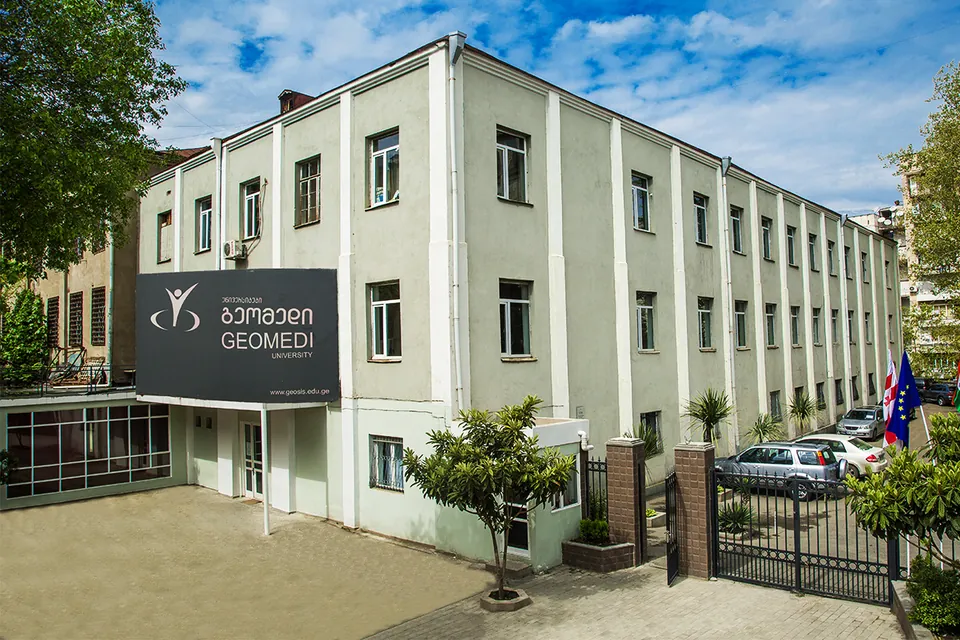
02Geomedi Medical University
Tbilisi, Georgia
- Established
- 1998
- Seats
- 300/year (approx.)
- Tuition
- USD 5,500/year (approx.)
- Course
- 6 years
- Taught in
- English
- Intake
- September
- FMGE pass rate
- 29.64% (2024)
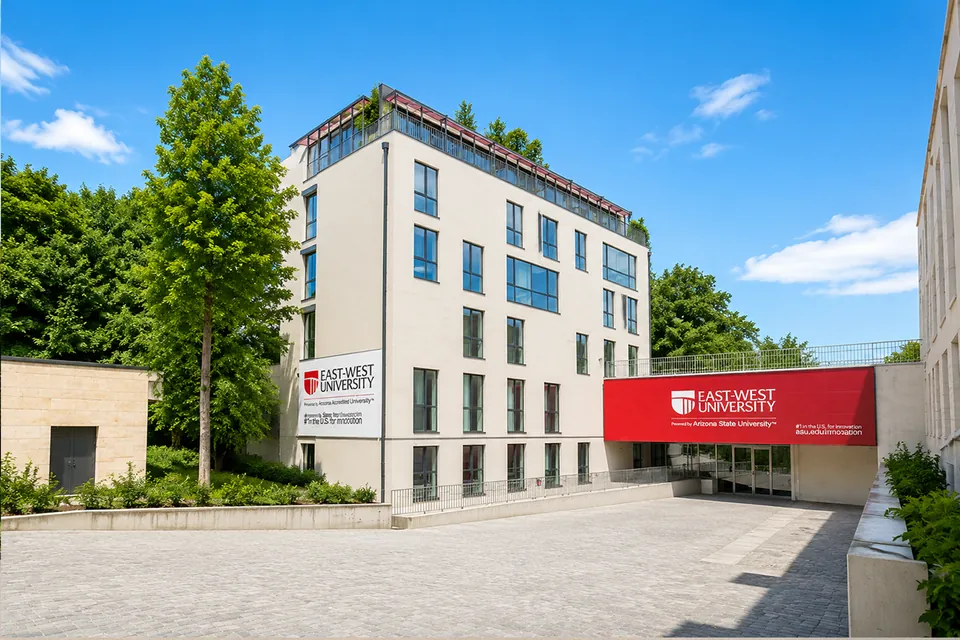
03East West University
Tbilisi, Georgia
- Established
- 2017
- Seats
- 100/year (approx.)
- Tuition
- USD 5,000/year (approx.)
- Course
- 6 years
- Taught in
- English
- Intake
- September
- FMGE pass rate
- 10.53% (2024)
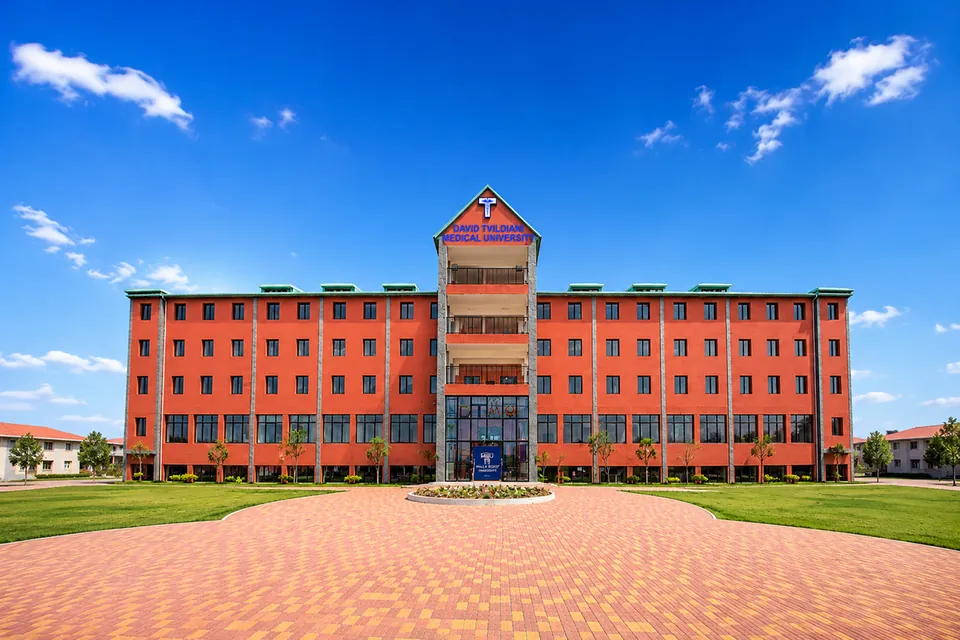
04David Tvildiani Medical University
Tbilisi, Georgia
- Established
- 1989
- Seats
- 200/year (approx.)
- Tuition
- USD 6,000/year (approx.)
- Course
- 6 years
- Taught in
- English
- Intake
- September
- FMGE pass rate
- 48.50% (2024)

05Tbilisi State Medical University
Tbilisi, Georgia
- Established
- 1930
- Seats
- 500/year (approx.)
- Tuition
- USD 8,000/year (approx.; English MD programme)
- Course
- 6 years
- Taught in
- English
- Intake
- September (approx.)
- FMGE pass rate
- 30.58% (2024)
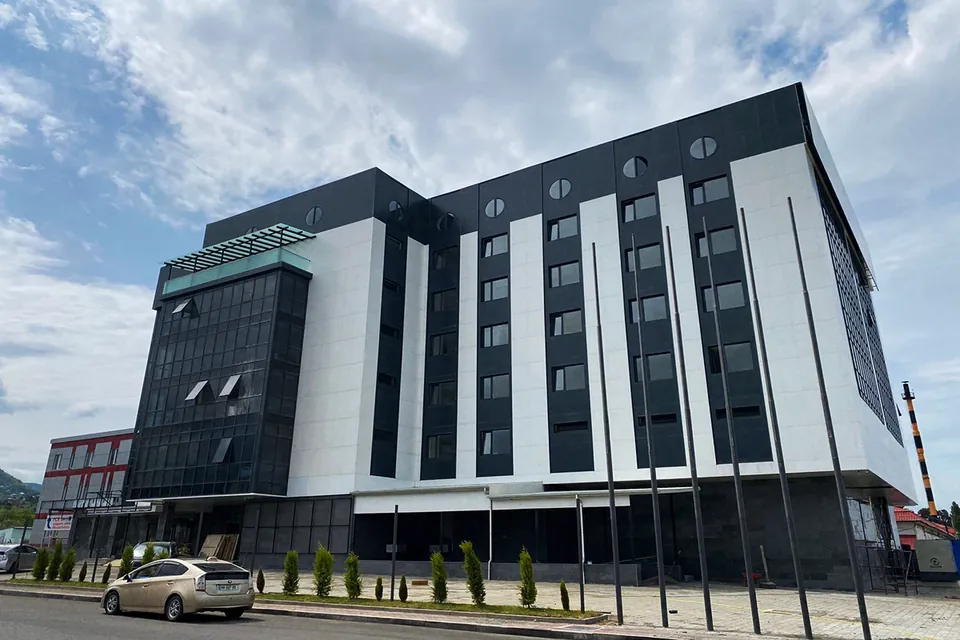
06Avicenna Batumi Medical University
Batumi, Georgia
- Established
- 2022
- Seats
- 180/year (approx.)
- Tuition
- USD 6,000/year (approx.)
- Course
- 6 years
- Taught in
- English
- Intake
- September (approx.)
- FMGE pass rate
- 0% (2024)
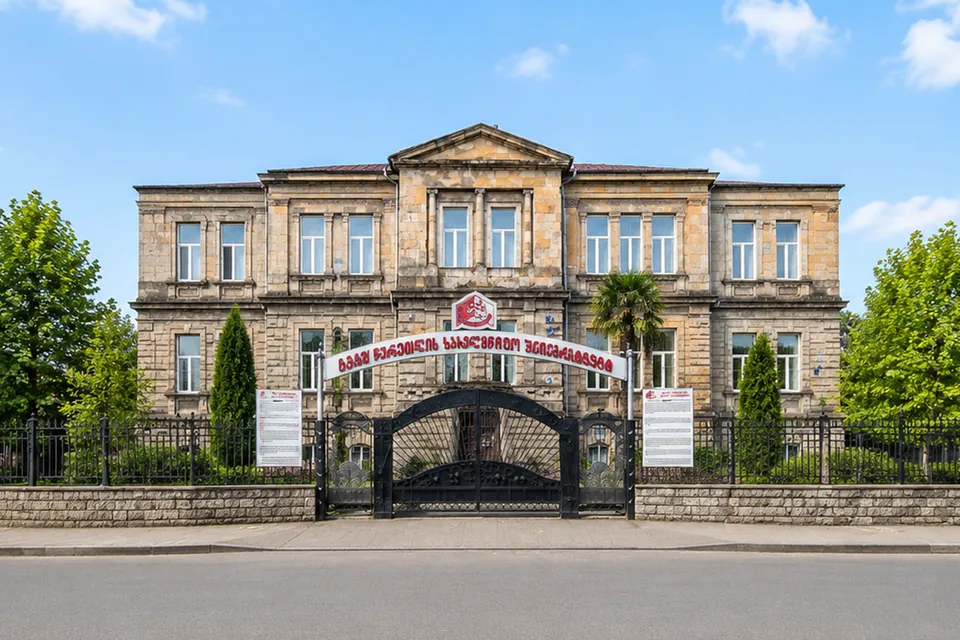
07Akaki Tsereteli State University
Kutaisi, Georgia
- Established
- 1930
- Seats
- 100/year (approx.)
- Tuition
- USD 4,000/year (approx.)
- Course
- 6 years
- Taught in
- English
- Intake
- September
- FMGE pass rate
- 28.29% (2024)
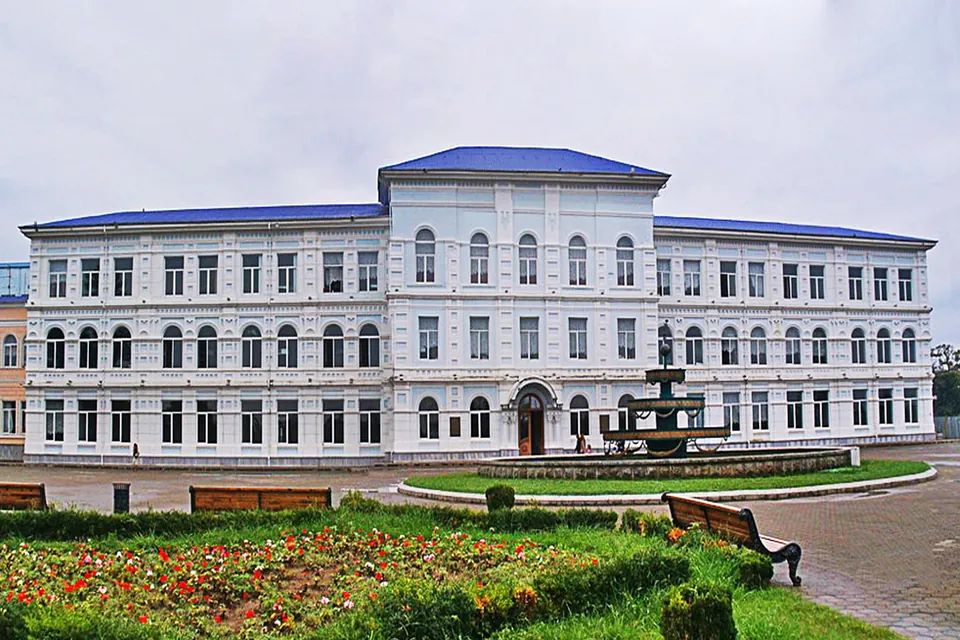
08Batumi Shota Rustaveli State University
Batumi, Georgia
- Established
- 1935
- Seats
- 150/year (approx.)
- Tuition
- USD 5,000/year (approx.)
- Course
- 6 years
- Taught in
- English
- Intake
- September (approx.)
- FMGE pass rate
- 41.67% (2024)
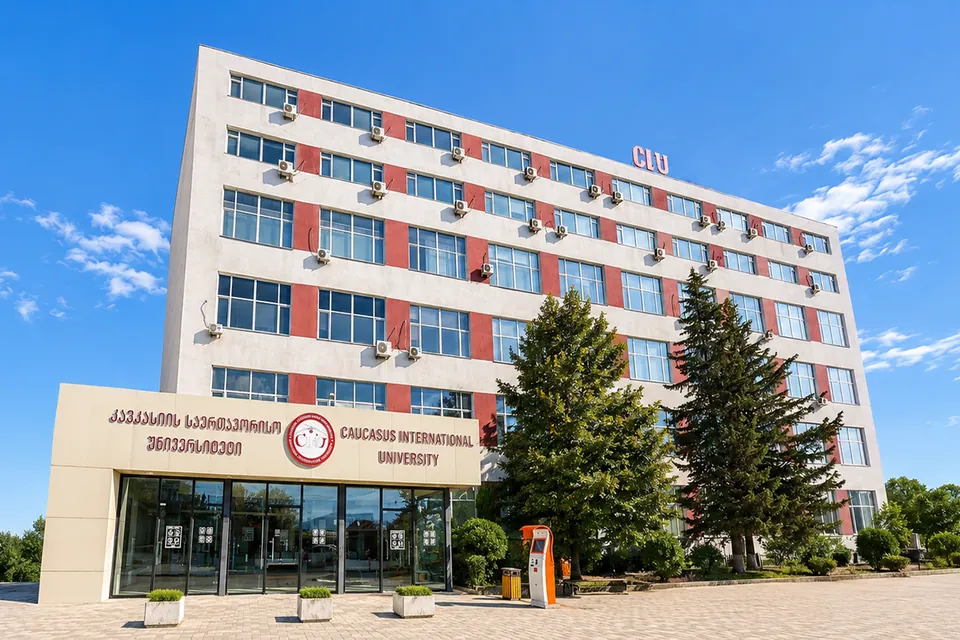
09Caucasus International University
Tbilisi, Georgia
- Established
- 1995
- Seats
- 300/year (approx.)
- Tuition
- USD 6,000/year (approx.)
- Course
- 6 years; 360 ECTS
- Taught in
- English
- Intake
- September (approx.)
- FMGE pass rate
- 33.02% (2024)
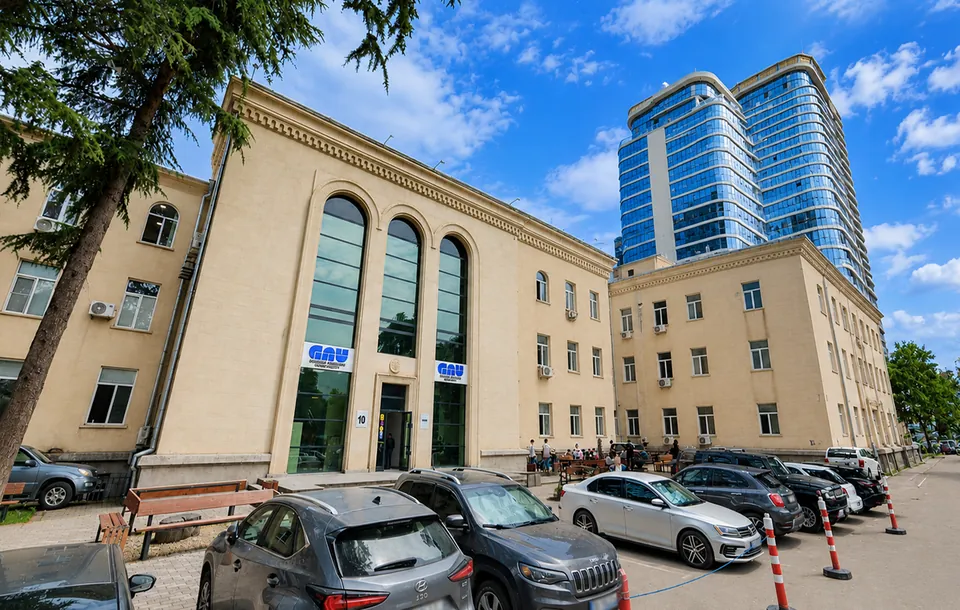
10Georgian American University
Tbilisi, Georgia
- Established
- 2001
- Seats
- 200/year (approx.)
- Tuition
- USD 6,480/year (published programme fee)
- Course
- 6 years; 360 ECTS
- Taught in
- English
- Intake
- September (approx.)
- FMGE pass rate
- 80.33% (2024)
Note: University founding years have been verified directly against their official websites. Seat counts are sourced from the official Ministry of Education notice. Tuition fees, where provided, reflect publicly available data; please confirm the exact costs directly with the university before finalising your budget.
Top Medical Universities in Georgia: The Full List →
Government vs Private Universities in Georgia
Government universities in Georgia are state-funded with lower fees around $3,000 to $8,000/year but have restricted international admissions. Private universities are self-funded, ranging from $4,000 to $10,000/year, feature modern infrastructure, and remain open to foreign students.
Not sure which of these fits your score and your budget?
10FEES
MBBS in Georgia Fee Structure 2026
Georgia is more affordable than India for medical education. You can complete your 6-year MBBS program in just 30 to 45 lakhs, which also includes your living expenses. On the other hand, you need to spend almost 1 crore+ in India. Here is the dedicated table mentioned for Indian students.
University-Wise MBBS Fees in Georgia
| University Name | City | Avg. Annual Tuition Fee | Avg. Annual Hostel Fee | Full 6-Year Tuition Fee |
|---|---|---|---|---|
| Georgian National University SEU | Tbilisi | $5,900 | $1,000 | $35,400 |
| Geomedi Medical University | Tbilisi | $5,500 | $900 | $33,000 |
| East West University | Tbilisi | $3,900 | $900 | $23,400 |
| David Tvildiani Medical University | Tbilisi | $6,000 | $1,000 | $36,000 |
| Tbilisi State Medical University | Tbilisi | $8,000 | $1,000 | $48,000 |
| Avicenna Batumi Medical University | Batumi | $4,900 | $900 | $29,400 |
| Akaki Tsereteli State University | Kutaisi | $4,800 | $1,200 | $28,800 |
| Batumi Shota Rustaveli State University | Batumi | $5,000 | $1,000 | $30,000 |
| Caucasus International University | Tbilisi | $6,000 | $1,000 | $36,000 |
| Georgian American University | Tbilisi | $7,000 | $1,000 | $42,000 |
Note: Figures are estimated totals for 6 years of tuition based on official university websites and third-party sources. They exclude additional costs like travel, visas, insurance, and personal expenses. For the most accurate values, always check the latest university prospectus and use a live currency converter.
Other Costs on Top of Tuition
| Expense Category | Avg. Value in USD | Avg. Value in INR |
|---|---|---|
| Medical Insurance | 250/year | ₹11,280–₹23,500/year |
| Admission/Application Charges | 150 | ₹4,700–₹14,100 |
| Air Travel (6 Years) | 3,600 | ₹1,69,200–₹3,38,400 |
| Study Visa Charges | 100 | ₹1,880–₹9,400 |
Note: Figures are estimated values based on internal and third-party sources combined. The values are subject to change and will vary depending on the exact institution and other relevant factors. The currency exchange rate used for INR values is $ 1 = ₹94.
Most families fund the education with a loan against an NMC-recognised seat.
Cost of Living in Georgia for Indian Students
The average monthly living cost in Georgia for Indian students is around $800 (approx. ₹75,200), excluding tuition fees. To understand it better, we have curated a complete table showing the monthly expenses in Georgia for Indian students.
| Expense Category | Avg. Value in USD | Avg. Value in INR |
|---|---|---|
| Private Accommodation (Per Month) | $500 | ₹47,000 |
| Local Transport (Per Month) | $20–30 | ₹1,880–₹2,820 |
| Personal Expenses (Per Month) | $150 | ₹14,100 |
| Food or Groceries (Per Month) | $120 | ₹11,280 |
| Utilities (Per Month) | $40–80 | ₹3,760–₹7,520 |
Note: Figures are estimated values based on internal and third-party sources combined. The values are subject to change and will vary depending on the exact location, habits, and other relevant factors. The currency exchange rate used for INR values is $ 1 = ₹94.
What this means for you: Treat tuition fees and living expenses as a combined annual figure & convert the final cost to INR using a standard exchange rate for your budget.
11TOP CITIES
Top Cities for MBBS in Georgia: Tbilisi, Batumi, Kutaisi
| City | Why students choose it |
|---|---|
| Tbilisi | Capital; most universities and hospitals; largest Indian community |
| Batumi | Coastal city; lower living cost; state and private universities |
| Kutaisi | Quieter, cheaper; fewer universities |
12FUNDING
Scholarships for MBBS in Georgia
Full-tuition scholarships for MBBS (MD) programs in Georgia are rare, and most financial aid comes in the form of partial tuition fee waivers (20% to 50% reductions), performance-based grants, or early-application discounts. To apply for the aid option, you need to meet the specific criteria for the scholarship. Key highlights include:
Government Scholarships
International Education Centre Grants, Ministry of Education Support Programs, State Study Grant (Foreign Students), and Bilateral State Education Exchange Schemes.
University Scholarships
TSMU Academic Merit Scholarship, BSU International Excellence Award, DTMU Rector’s Excellence Award, and SEU University Performance Grant.
What they typically cover: Financial support generally includes tuition, housing, and healthcare, though complete coverage is rare.
What this means for you: When budgeting for your MBBS in Georgia, ensure your core financial plan covers all tuition & living expenses alone. View scholarships, grants, & fee discounts strictly as unexpected bonuses rather than reliable sources of funding.
13FUNDING
Education Loan for MBBS in Georgia
Indian students can get education loans ranging from ₹15.2 lakh to ₹1.5 crore to study an MBBS in Georgia from major lenders in India such as Public Sector Banks, Private Banks and Non-Banking Financial Companies (NBFCs).
What banks ask for
To apply, you will need to provide proof of admission to a recognised Georgian institution, a detailed MBBS fee structure, your co-applicant’s income proof, KYC paperwork, and collateral if required.
What a loan usually covers
Tuition fees, hostel or accommodation costs, exam & visa charges, airfare, and coverage for basic living expenses, depending on the sanction letter.
What to check before signing
You should check the interest rate, tenure, currency of disbursement, margin money requirements, total repayment over 7-10 years and the impact of exchange rate fluctuations.
14COURSE
MBBS in Georgia Course Duration & Syllabus
MBBS (Bachelor of Medicine and Bachelor of Surgery) in Georgia is 6 years long, comprising 5 years of theoretical studies and 1 year of clinical internship. The program is fully aligned with the National Medical Commission (NMC) norms and meets global standards of medical education. The MBBS curriculum is classified into 3 phases, i.e. pre-clinical, para-clinical, and clinical years, covering all the mandatory medical subjects (over 19) which are quoted under Schedule 1 of the NMC Gazette.
What is non-negotiable here for NMC compliance: The MBBS program requires a minimum 54-month theoretical phase taught entirely in English, paired with a mandatory 12-month clinical internship. All required practical rotations must take place strictly within university-affiliated teaching hospitals.
Course length varies by university, and it determines whether your degree satisfies the 54-month rule.
Medium of Teaching
The primary medium of instruction for the MBBS program is English in Georgia. This is because medical universities in Georgia strictly adhere to the National Medical Commission's Gazette clause 4(a)(iii) regarding foreign medical education norms.
What this means for you: Prioritise learning and practising Georgian outside the classroom to build strong communication skills. Make a conscious effort to speak the local language daily with your classmates, neighbours, and patients.
Being verified per university: Which listed universities require English-language certification, at what level, and by which year.
Language is the thing graduates most often say they underestimated.
Curriculum Highlights
MBBS in Georgia spans 5+1 years, divided into 12 semesters. The curriculum is categorised into 3 phases, which are pre-clinical, para-clinical, and clinical.
Years 1 – 2 — Pre-Clinical Years
- Human Anatomy
- Histology & Embryology
- Biochemistry
- Physiology
- Medical Biology & Genetics
- Chemistry
- Physics & Biophysics
- Medical Terminology
Years 3 – 4 — Para-Clinical Years
- Microbiology
- Immunology
- Pharmacology
- Pathology (General & Systemic)
- Pathophysiology
- Radiology (introductory)
- Hygiene & Public Health
- Epidemiology
Years 5 – 6 — Clinical Year
- Internal Medicine
- General Surgery
- Obstetrics & Gynecology
- Pediatrics
- Neurology
- Psychiatry
- Infectious Diseases
- Ophthalmology
- Otorhinolaryngology (ENT)
- Oncology
- Forensic Medicine
- Mandatory Clinical Rotations
15COMPARISON
MBBS in Georgia vs India and Other Countries
| Feature | Georgia | India | Russia | Kazakhstan |
|---|---|---|---|---|
| Duration | 6 Years | 5.5 Years | 6 Years | 6 Years |
| Total Cost | 45 Lakhs | 1 Crore+ | 30 Lakhs | 32-35 Lakhs |
| Teaching Language | English | English/Regional | English/Russian | English/Georgia/Russian |
| Entrance Requirements | NEET-UG | NEET-UG | NEET-UG | NEET-UG |
| To Practise In India Rules | FMGE/NExT | NMC Registration | FMGE/NExT | FMGE/NExT |
Note: All values are estimated and will depend on the actual institution and other relevant factors. The duration of the programmes can vary across the institutions but must meet the NMC guidelines if seeking practice in India. Entrance requirements will vary depending on the university’s regulations. All classes are conducted in English, but they teach the local language to prepare for patient interactions. NExT is not officially implemented in India.
What does this mean for you: Compare Georgia against other countries based on recognition, language, and overall cost in Indian rupees; the licensing exam in India stays the same.
The right comparison is against other countries; your score actually opens.
16FMGE PERFORMANCE
FMGE / NExT Performance of Georgia Graduates
| Year / Session | Candidates Appeared | Candidates Passed | Pass Percentage |
|---|---|---|---|
| 2020 | 600 | 115 | 19.17% |
| 2021 | 930 | 319 | 34.30% |
| 2022 | 1,872 | 651 | 34.78% |
| 2023 | 3,123 | 820 | 26.26% |
| 2024 | 4,221 | 1,505 | 35.66% |
| June 2025 | 2,204 | 610 | 27.68% |
| December 2025 | 2,899 | 938 | 32.36% |
Note: FMGE pass rates vary by examination session and reflect candidates from Georgia overall, not individual universities. To cross-verify the data, you can visit natboard.edu.in or nbe.edu.in.
17AFTER GRADUATION
Career Pathways After MBBS in Georgia
After completing an MBBS from Georgia, graduates have several clinical, postgraduate, and non-clinical career pathways available internationally and locally. They can stay in Georgia for medical practice, pursue a PG degree, and more. Foreign medical graduates (FMGs) can practice medicine in India need to pass the mandatory screening test, which is FMGE or NExT.
Step1
Obtain your Bachelor of Medicine and Bachelor of Surgery (MBBS) degree from a regionally accredited Georgian university.
Step 2
Pass the mandatory licensing exam in India, which is currently the Foreign Medical Graduate Examination (FMGE) or the future National Exit Test (NExT).
Step 3
Once you pass the screening test, you need to complete a one-year internship in India. This is separate from the internship you already did in Georgia.
Step 4
Apply through the web portal of the National Medical Commission or the online system of the local State Medical Council (like the Delhi Medical Council).
A constraint no other page mentions
Regardless of an individual's global expertise or qualifications, the legal right to practice within a regulated profession is strictly conditional upon receiving formal authorisation from the competent regulatory authority of that jurisdiction.
What this means for you: While excelling in a 6-year MBBS program launches your medical journey, practising internationally requires clearing distinct country-specific licensing exams.
These are the rules as written, not a sales pitch. Ask before you commit six years.
Graduating with an MBBS in Georgia opens doors to multiple professional career paths. Below are some of the most promising career trajectories available:
Coming Back to Practise in India: FMGE and NExT
To practice medicine in India as a foreign medical graduate, you must pass the compulsory screening test, which is currently the FMGE (Foreign Medical Graduate Examination) or the upcoming NExT (National Exit Test) exam, finish a 12-month internship, and enrol with a state medical council.
Staying on in Georgia
Choosing to practice medicine in Georgia after earning an MBBS is a strong alternative career path. However, international graduates face fierce competition and a rigorous regulatory process. To succeed, candidates must demonstrate language fluency and clear the National Medical Licensing Examination (NMLE).
Moving to the EU, UK or US
After finishing an MBBS (or MD equivalent) in Georgia, you can move on to medical practice abroad by clearing designated national credentialing assessments and applying for clinical training or registration: for the US (USMLE), for the UK (UKMLA), for the EU (demonstrate local language fluency).
18THE OTHER SIDE
Pros and Cons of Studying MBBS in Georgia
| Pros (Advantages) | Cons (Disadvantages) |
|---|---|
| Affordable Fees: Tuition fees are generally lower than those of many private medical colleges in India and Western countries. | Language Barrier: Students may need to learn Georgian for daily communication and clinical interactions with patients. |
| English-Taught Programs: Several universities offer English-medium General Medicine programmes for international students. | Licensing Requirements: Graduates must meet applicable NMC requirements, like the examination and registration process, to practise in India. |
| Modern Infrastructure: Many universities offer medical laboratories, simulation facilities, and affiliated teaching hospitals. | Clinical Training Challenges: The quality and extent of hands-on clinical exposure can vary by university and hospital affiliation. |
| International Student Community: Georgia attracts students from different countries, including India. | Cultural Adjustment: Adapting to local food, weather, language, and social customs may take time. |
Why we publish this: To make a truly informed decision, it is essential to balance the exciting benefits of any choice with its practical realities. A concise, realistic breakdown of the standard pros and cons typically found across major decisions, designed to give you a clear, objective view.
Still weighing it up? Ask the awkward questions before you commit, not after.
19FAQ
MBBS in Georgia FAQs
Is NEET compulsory for MBBS in Georgia?
Yes. Indian students must qualify NEET to meet the eligibility requirements for pursuing medicine abroad and seeking medical registration in India.
What is the duration of MBBS in Georgia?
The General Medicine programme typically lasts six years. Integrating 5 years of academic studies and 1 year of clinical training at a university-affiliated hospital.
What is the total cost of MBBS in Georgia?
The total MBBS cost includes tuition fees, accommodation, food, travel, insurance, and other expenses; it ranges from 30 to 45 lakhs for the 6-year course duration in Georgia. Check the latest university fee structure before budgeting.
Is an MBBS degree from Georgia valid in India?
Yes, an MBBS degree from Georgia is valid in India only if the degree and programme meet applicable NMC requirements. Graduates must also fulfil the relevant licensing and registration conditions.
What are the eligibility criteria for MBBS in Georgia?
Students generally need to score 50% in Class 12 in Physics, Chemistry, Biology, and English, be at least 17 years old as of 31st December of the admission year, and meet the applicable minimum marks and NEET requirements.
Which are the best universities for MBBS in Georgia?
Compare universities based on accreditation, clinical training, teaching language, tuition fees, and compliance with NMC regulations. Verify each university’s current status before admission.
Is MBBS taught in English in Georgia?
Yes, Georgian universities offer English-medium medical programmes. However, students may need to learn Georgian for clinical interactions with patients.
What is the admission process for MBBS in Georgia?
The core steps include choosing an eligible university, submitting academic documents and NEET details, obtaining an admission offer, and completing the required visa and enrolment formalities.
Can Indian students practise in India after MBBS in Georgia?
Yes, provided they fulfil all applicable NMC requirements, including the required licensing examination, internship, and registration conditions. Foreign graduates must also meet the applicable local-practice licensing requirements.
Is Georgia safe for Indian medical students?
Georgia is generally considered physically safe with low violent crime rates, ranking high on safety indices (Safety Index score of about 74/100), though recent administrative and travel hurdles require careful attention.
20ASK US
Ask a Question About MBBS in Georgia
Feel free to cross-check this information with your scores, budget, or shortlist. This tool is 100% free to use, and you are under no obligation to apply through us.
Thank you! We have your details.